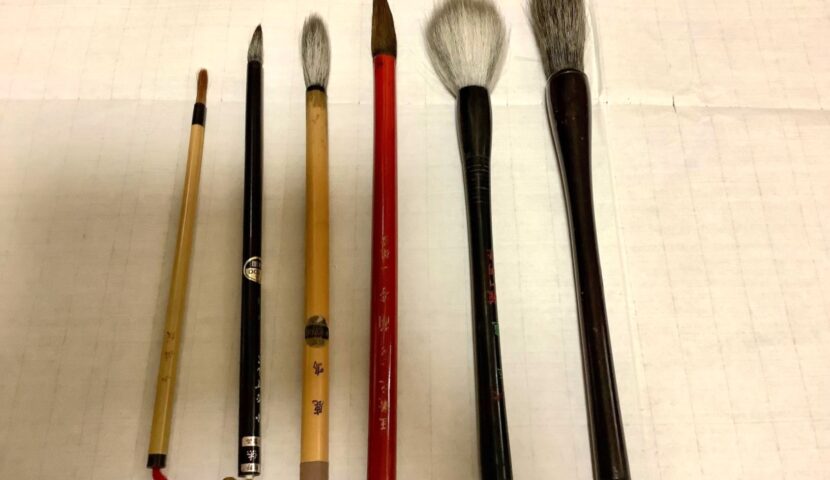
Experience Japanese Calligraphy in Tokyo

Calligraphy Basics

How to Wash Your Brush

If you leave ink on a brush, it will harden and damage the bristles. So make sure to wash your brush with water after use. Unlike some other kinds of paint, no special chemicals or solvents are necessary.
Let me show you how to wash your brush in a way that will make it last longer.

Since ink contains ingredients that aren’t good for the environment, first thoroughly wipe off the ink using scrap paper. Then rinse with water.

Why Brush Bristles Split — and How to Prevent It
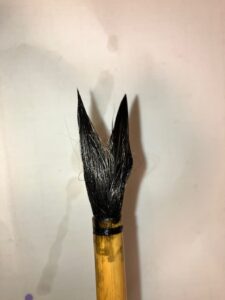
筆が割れる
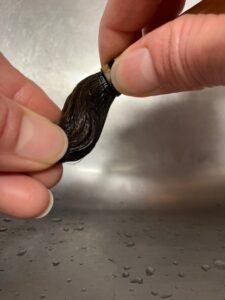
When you’ve been using a brush for a long time, the bristles often splits in two at the base. This happens naturally with age, but it can also happen if you have ink building up at the base due to inadequate washing. So it’s important to wash your brush all the way down to the base after using it.
筆の洗い方
Ink tends to accumulate at the base of the bristles, so let’s work it out from there. Hold the middle part of the brush bristles with one hand and the base of the brush handle with the other. Then move both hands gently in opposite directions—this pushes the ink out while rinsing it away.

Remember, calligraphy ink is permanent. When you wash your brush, it can stain the sink too, so avoid white surfaces like porcelain. A stainless steel kitchen sink should be easier to clean. Either way, make sure to clean up the sink when you’re done.

Once you’ve finished rinsing, shape the bristles into a point and hang the brush to dry in a well-ventilated, shaded area.

Only wash after you’re completely finished writing. If you want to take a break during your calligraphy session and continue later, I recommend wrapping the brush tip in plastic wrap.
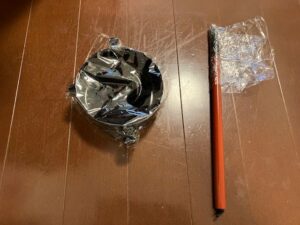

wrap your brush
They do sell covers for brushes, but when it comes to preventing the bristles from drying out, plastic wrap works best. That way, you can resume your work with the brush in the same condition.
Akiko Kousa FUJII

I am a master of calligraphy with 20 years’ experience as a qualified Shihan, the highest rank of calligraphy. My experience involves work in the cultural sector at a public organization in Nice, France; a Masters of Arts from London City University; and regular workshops at nursing homes and hospitals to help people improve their quality of life. I was born and raised in Tokyo. I am keen to share my Japanese culture and can provide workshops in English or French. -Shihan of Japan calligraphy institut (Kanji, Kana) -Master of Arts, City, University of London -DALF C1

Related Articles

  1. How to Wash Your Brush
  2. How to Use Ink
  3. Where Can You Buy Calligraphy Supplies in Tokyo?
PAGE TOP